
Hi everyone,
I've been testing WRF-SFIRE to analyze the behavior of a 6th-generation fire that occurred in Tenerife in 2023.
The simulation runs successfully; however, I think the fire propagation is too aggressive.
I'm using my own custom fuel categories.
Fuel -> 1 to 24
No fuel -> 25

The meteorological data I'm using is GFS.
Domain 1 -> 5000m
Domain 2 -> 1000m
Fire_mesh -> 100m
The simulation starts on 15/08/2023 at 00:00 and crashes at approximately 15/08/2023 07:26.
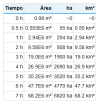
These are the values for each hour.
The crash message is:
-------------- FATAL CALLED ---------------
FATAL CALLED FROM FILE: <stdin> LINE: 152
crash: invalid data passed from WRF, must have t2 psfc>0, q2 >= 0
-------------------------------------------
My doubt is:
- Is it normal for the fire to propagate so aggressively?
I had tried to reduce the windrf.
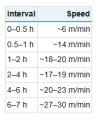
These are the fire front velocities:
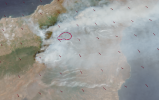
This is the fire_area at 1:00 aprox.
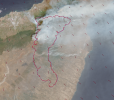
This is the fire_area at 7:00
Thanks!
I've been testing WRF-SFIRE to analyze the behavior of a 6th-generation fire that occurred in Tenerife in 2023.
The simulation runs successfully; however, I think the fire propagation is too aggressive.
I'm using my own custom fuel categories.
Fuel -> 1 to 24
No fuel -> 25
The meteorological data I'm using is GFS.
Domain 1 -> 5000m
Domain 2 -> 1000m
Fire_mesh -> 100m
The simulation starts on 15/08/2023 at 00:00 and crashes at approximately 15/08/2023 07:26.
These are the values for each hour.
The crash message is:
-------------- FATAL CALLED ---------------
FATAL CALLED FROM FILE: <stdin> LINE: 152
crash: invalid data passed from WRF, must have t2 psfc>0, q2 >= 0
-------------------------------------------
My doubt is:
- Is it normal for the fire to propagate so aggressively?
I had tried to reduce the windrf.
These are the fire front velocities:
This is the fire_area at 1:00 aprox.
This is the fire_area at 7:00
Thanks!
Attachments
Last edited: